Throughout my research, I found an overarching resistance to documenting history through writing, with participants typically opting to narrate their accounts instead. I spent a significant amount of time in Easkey, County Sligo, interacting with the community and gathering memories of the uninhabited homesteads that populate the rural West Coast of Ireland.
In A Handbook of Irish Folklore (1942), Ó Súilleabháin notes: ‘the good collector then should be an opportunist, ready to take advantage of every chance to reap his or her harvest of lore.’
To avoid flattening the intonation of participants’ voices and losing the sense of storytelling, I began recording conversations alongside the tangible record of the written responses in the archival kits.
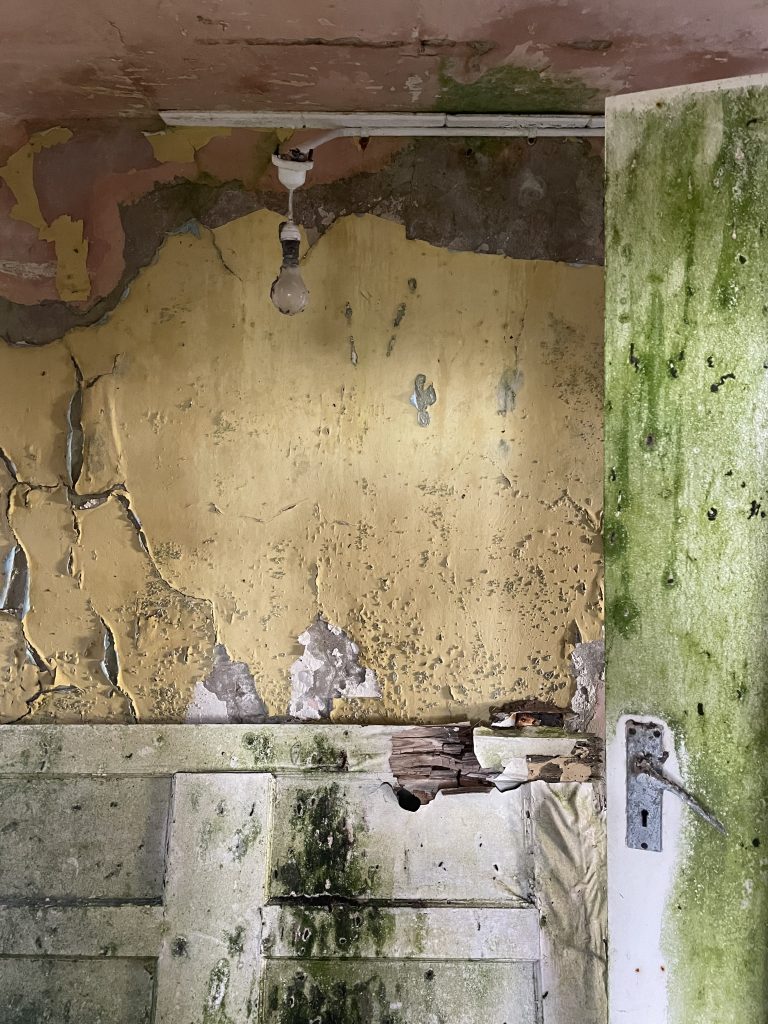
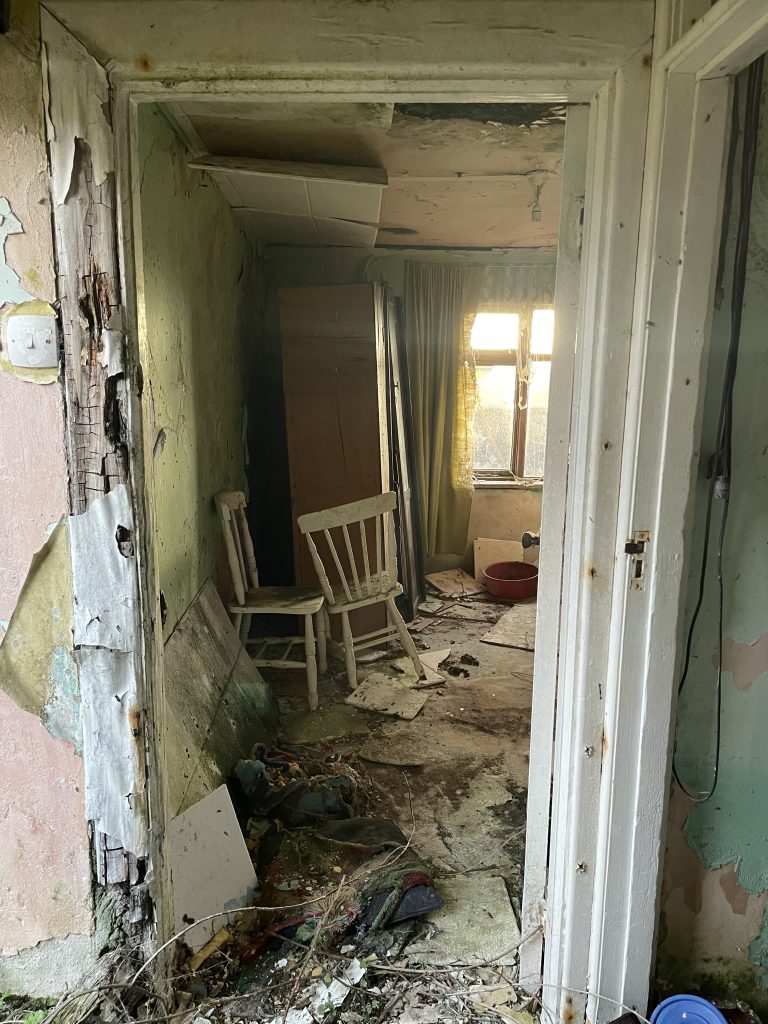
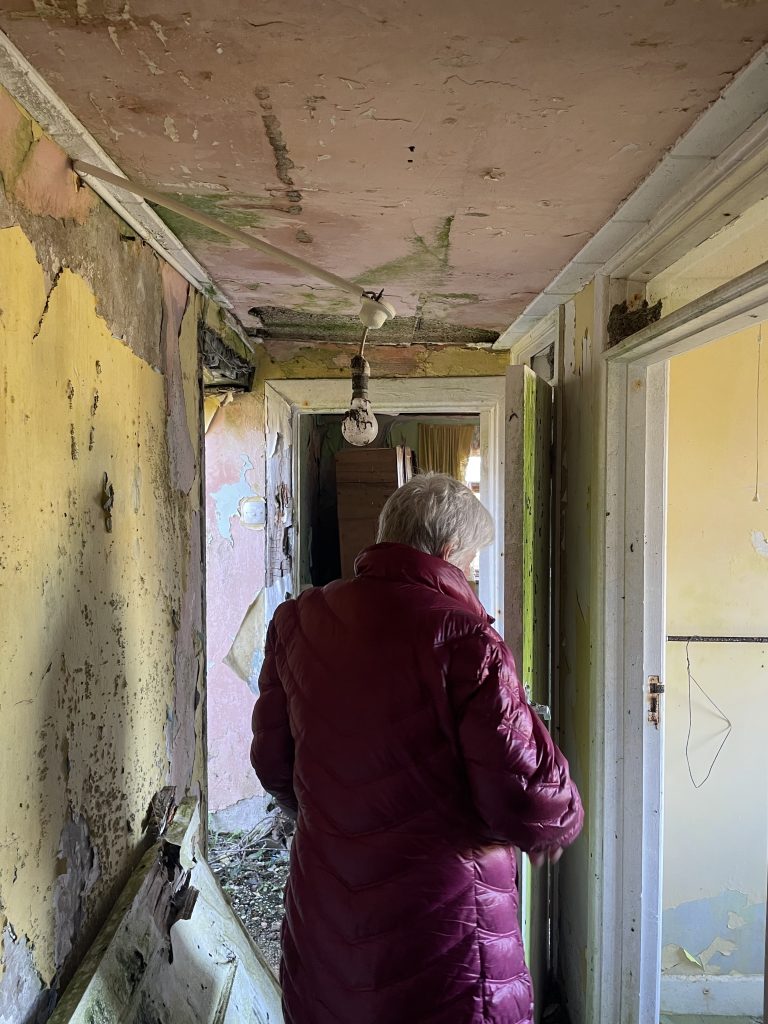
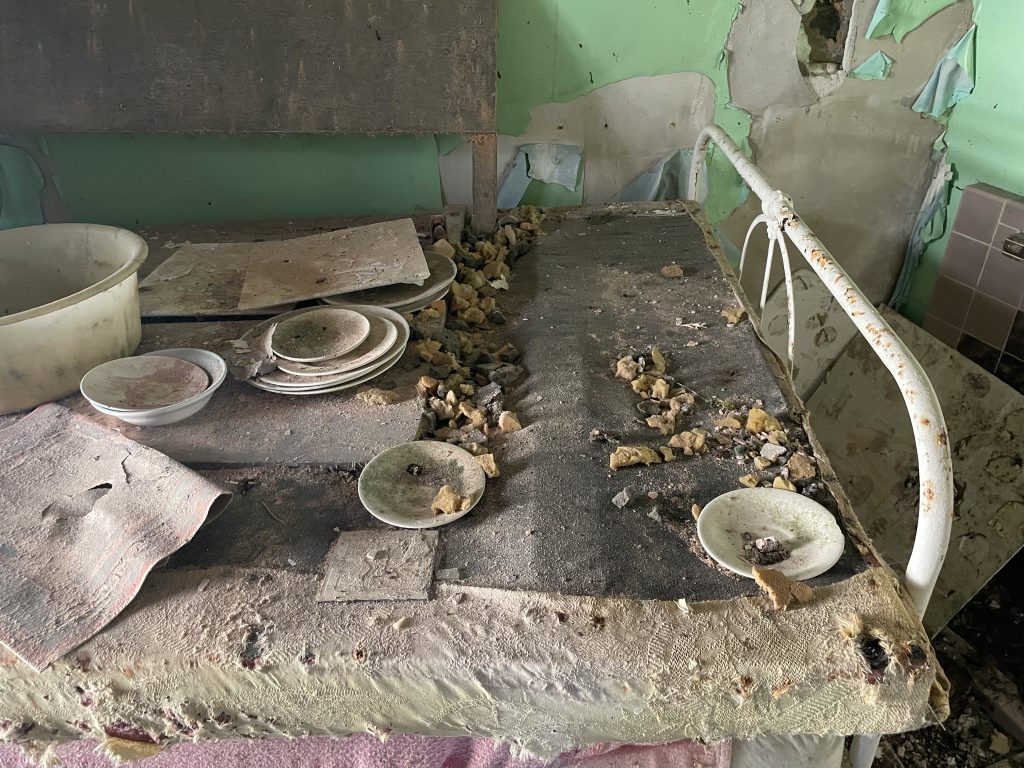
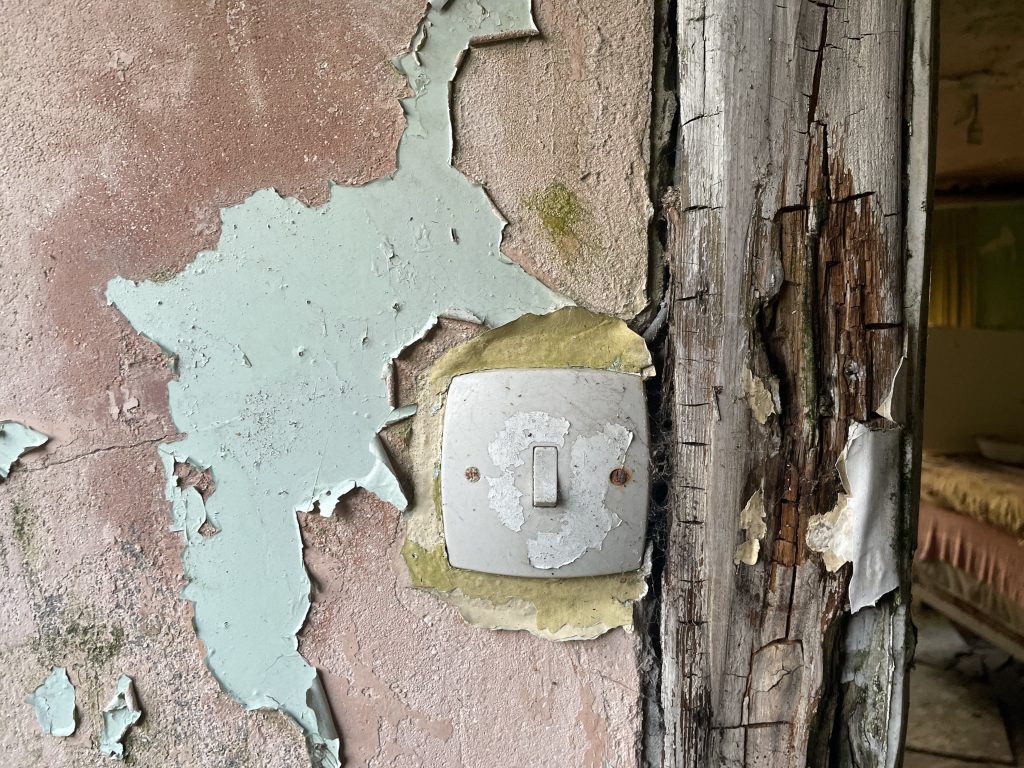
This method of recording oral histories proved most effective during a visit to The Stone Cottage, with the woman who grew up in the building. As we walked through the remnants of her childhood home, memories were reignited as she recalled stories from her youth.
The experience of collecting primary research in this manner was hugely emotional for both myself and the participant, and for the first time, I could imagine The Stone Cottage in its inhabitation.
Reference List:
Ó Súilleabháin, S. (1942) A Handbook of Irish Folklore. Dublin: Comhairle Bhéaloideas Éireann.
Leave a Reply